

As a pet owner, being prepared for an emergency is just as important for your furry companion as it is for any family member. Pet first aid involves knowing how to respond quickly and effectively when your pet is injured, ill, or in distress. While it’s not a replacement for veterinary care, basic first aid can help you stabilize your pet and potentially save their life.
- Recognizing an Emergency
The first step in pet first aid is knowing what qualifies as an emergency. Signs of trouble include difficulty breathing, excessive bleeding, sudden collapse, choking, seizures, or exposure to toxins. Trust your instincts—if something seems off, it’s better to act quickly.
- Essential Supplies
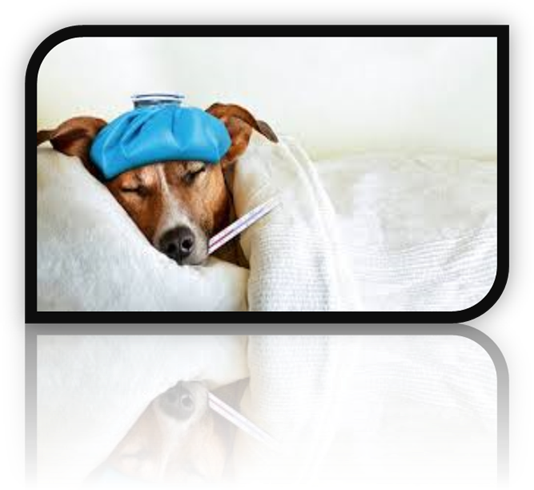
Every pet owner should keep a pet first aid kit at home and in the car. Include items like gauze, non-stick bandages, antiseptic wipes, tweezers, a digital thermometer, and a pet-safe muzzle. Also, have a copy of your pet’s medical records and emergency vet contact information.
- Basic First Aid Skills
Learn how to handle common situations, such as stopping bleeding, treating minor wounds, and performing the Heimlich maneuver or CPR on a pet. Several organizations, like the Red Cross, offer pet first aid courses online or in person.
- When to Seek Veterinary Care
Even if you administer first aid, always follow up with a veterinarian. Some issues may not appear serious at first but can become critical without professional care. Never give human medications to pets unless directed by a vet—they can be toxic.

Conclusion;
Knowing pet first aid empowers you to act quickly in a crisis and gives your pet the best chance at recovery. With the right knowledge and tools, you can stay calm, provide help, and protect the health and safety of your beloved companion.