

Hiking with your dog can be a fantastic bonding experience, but it requires some planning to make sure both of you stay safe and have fun. Here are 10 things you should know before you go hiking with your dog:
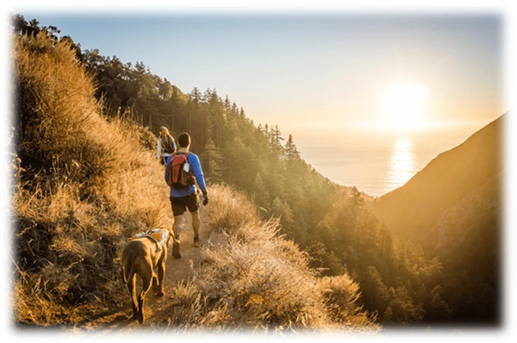
1. Know Your Dog’s Limits
Just like humans, dogs have different fitness levels. Consider your dog’s age, breed, and health. Breeds with short snouts (like pugs or bulldogs) may struggle with long hikes or heat, while high-energy breeds might thrive on challenging trails.
2. Check Trail Regulations
Not all trails are dog-friendly. Before you go, research whether dogs are allowed, if they must be on a leash, or if there are any specific restrictions. Some national parks, for example, limit dog access for environmental or wildlife protection.
3. Train Your Dog First
Basic obedience is a must. Your dog should respond reliably to commands like “come,” “stay,” and “leave it.” This helps avoid dangerous situations with wildlife, other hikers, or poisonous plants.
4. Bring Enough Water (and a Bowl)
Dogs can get dehydrated quickly. Pack enough water for both of you, and bring a collapsible bowl or a pet water bottle. Avoid letting your dog drink from streams or lakes, as they can contain harmful bacteria or parasites.
5. Watch the Weather
Hot temperatures can cause overheating or burned paws on hot ground. Cold weather can lead to hypothermia or ice cuts. Check the forecast and plan accordingly—consider dog boots or jackets if needed.
6. Use a Harness, Not Just a Collar
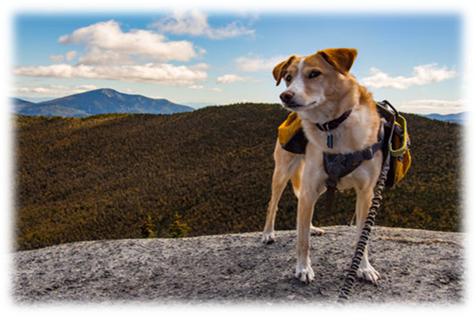
A well-fitted harness gives you more control and is safer for your dog’s neck, especially on rough or steep terrain. Some hiking harnesses also have a handle, which can help lift your dog over obstacles.
7. Protect Against Fleas, Ticks, and Parasites
Before you hit the trail, make sure your dog is up-to-date on flea and tick prevention. After the hike, check thoroughly for ticks, especially around the ears, belly, and between toes.
8. Pack Dog Essentials
In addition to food and water, bring:
- Poop bags
- First aid kit (with dog-specific supplies)
- ID tags/microchip info
- Towel or blanket for resting or emergencies
9. Be Aware of Wildlife
Your dog may want to chase or bark at wildlife. Keep them close and under control to avoid dangerous encounters with snakes, bears, or other animals. Even small critters can carry diseases or bite.
10. Leave No Trace
Clean up after your dog, stay on trails, and respect nature. Bag your dog’s waste and pack it out—don’t leave it behind. It’s not just unsightly; it can harm local ecosystems.