

Great question! 🐶🐱 Whether you’re working with a puppy, adult dog, cat, or even a bird, getting the most out of your training sessions depends on consistency, patience, and understanding how your pet learns. Here’s a guide to help you make your training sessions effective and enjoyable for both you and your pet:
🧠 1. Understand Your Pet’s Learning Style
- Dogs learn best through repetition and positive reinforcement.
- Cats respond to short, enticing sessions (and food!).
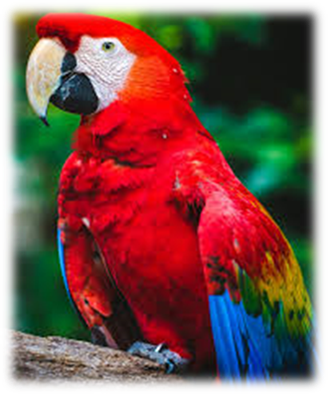
- Birds and other animals often benefit from clicker training or consistent visual/auditory cues.
⏰ 2. Keep Sessions Short and Frequent
- Ideal duration: 5–15 minutes per session.
- Train 1–3 times a day, especially for puppies or younger animals.
- Shorter sessions help keep their attention and avoid frustration.
🍖 3. Use High-Value Rewards
- Treats your pet loves—not just kibble.
- Mix in praise, toys, or affection.
- Use a variety of rewards to keep it interesting.
💬 4. Be Consistent With Commands
- Use the same cue words every time (“Sit”, “Stay”, “Down”).
- Everyone in the household should use the same terms and gestures.
📍 5. Minimize Distractions
- Start in a quiet space with no other pets or people.
- Gradually introduce distractions as your pet improves.
🪄 6. Use Positive Reinforcement
- Reward good behavior immediately after it happens.
- Ignore or redirect unwanted behavior; avoid punishment-based methods.
📈 7. Set Clear Goals
- Break complex behaviors into small steps.
- Track progress—what worked, what didn’t, and what’s next.
😺 8. Make It Fun
- End on a positive note—finish with a trick they know or something they enjoy.
- Mix in playtime so it doesn’t feel like work.
📆 9. Practice Regularly
- A few minutes every day is better than an hour once a week.
- Consistency helps turn training into long-term habits.
👀 10. Watch Their Body Language
- Are they bored, tired, stressed, or excited?
- If they’re losing focus or getting anxious, take a break.