

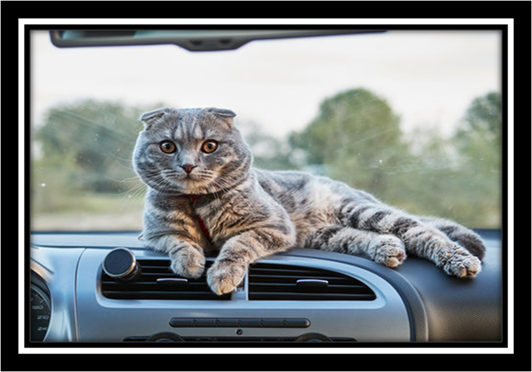
✅ 1. Understand the Signs of Car Anxiety
Look for these behaviors:
- Panting, drooling
- Whining, barking, or howling
- Trembling or hiding
- Vomiting or peeing/pooping in the car
- Refusing to get in
These signs indicate stress—not stubbornness.
🐶 Step-by-Step Desensitization (Dogs & Cats)
🟩 Step 1: Make the Car a Positive Space
- Start by letting your pet explore the parked car with the engine off.
- Sit with them, offer treats, and praise calm behavior.
- Do this daily for a few minutes until they seem relaxed.
🟩 Step 2: Add the Engine Sound
- Sit in the car and turn the engine on without moving.
- Reward calm behavior with treats or a favorite toy.
- Gradually increase the time.
🟩 Step 3: Take Very Short Trips
- Start with backing out of the driveway or a 1-minute ride.
- Return home, offer rewards, and keep everything positive.
- Gradually increase trip length as your pet gets more comfortable.
🧠 Behavior Training Tips
- Use positive reinforcement: Treats, verbal praise, or toys work better than scolding.
- Avoid forcing your pet into the car. Use encouragement, or carry them gently if needed.
- Keep sessions short and frequent—no more than 5–10 minutes at first.
🎧 Comfort Tips for the Ride
- Use a crate or harness for safety and comfort.
- Line crates with a soft blanket or an item that smells like home.
- Play soothing music or white noise.
- Try pet-calming sprays
- Avoid feeding right before travel to reduce motion sickness.
💊 If Anxiety Is Severe
Talk to your vet about:
- Anti-anxiety medications
- CBD products (pet-safe versions only)
- Behaviorist referral for a customized plan.
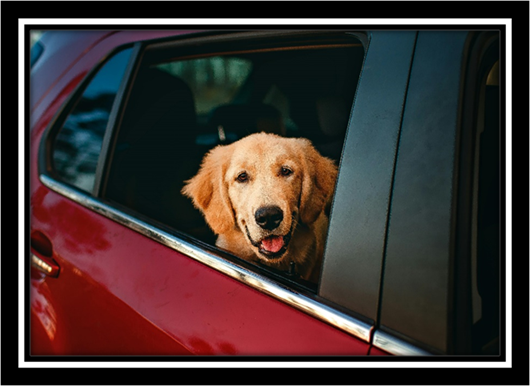
⏳ Be Patient—Progress Takes Time
Some pets improve in days, others in weeks. Stay consistent and celebrate small wins—like them jumping into the car without fear.